Everyday Nutrition Guide
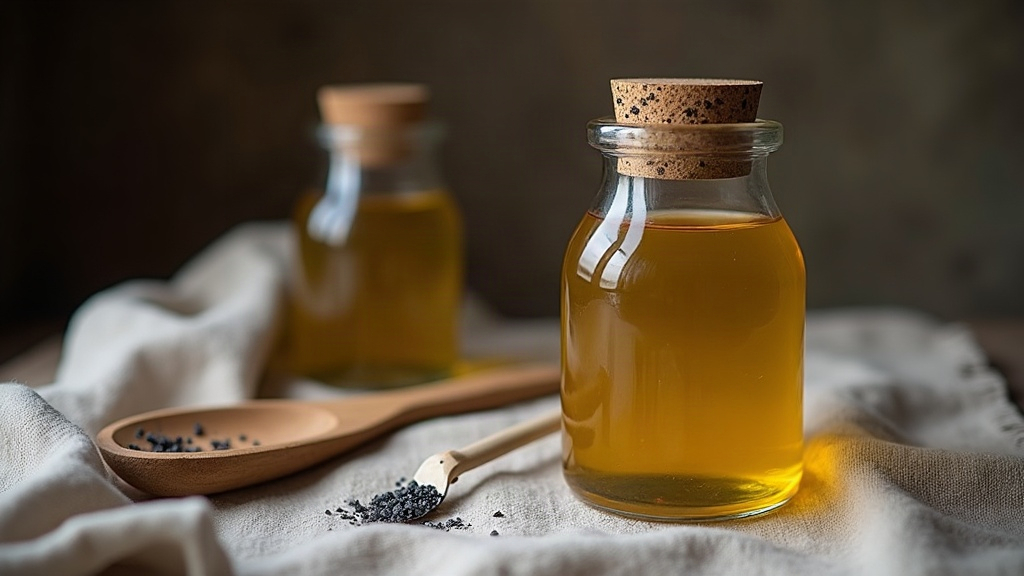
What Biblical drink (oil)/ Honey blend Actually Looks Like on a Real Plate — Not on a Wellness Ad
Before you picture a syrupy miracle jar or a label promising the world, get an honest, unhurried look at how people actually fold Biblical drink (oil)/ Honey blend into ordinary meals — right alongside the habits that tend to matter more, like a short walk after eating.
The Gap Between the Morning Plan and the 2 PM Reality
Most mornings start with good intentions. Then lunch happens, the afternoon happens, and the plan quietly falls apart. Here’s what that gap usually looks like — and where curiosity about things like Biblical drink (oil)/ Honey blend tends to creep in.
The After-Lunch Dip Nobody Warned You About
You eat, you feel fine, and then somewhere around mid-afternoon the energy just drops. This is often where curiosity about ingredients like Biblical drink (oil)/ Honey blend starts — not as a fix, but as one more thing worth understanding on the shelf.
Mornings That Start Tired Anyway
You slept enough, technically. But the alarm still feels like an ambush, and breakfast becomes something to get through rather than plan around.
The Cereal-Aisle Standoff
Every box, every label, every 'healthy' claim starts to blur together. Deciding what actually belongs on your plate turns into its own small daily chore.
Every Meal, Another Decision
Breakfast, lunch, dinner, snacks in between — each one asks you to weigh options again. That adds up, even on days when nothing dramatic happens.
Kitchen Table Myths Worth Retiring
Some ideas about food get repeated so often they start to sound like fact. Here’s a plainer look at three of the most common ones.
All carbohydrates are the enemy.
Carbohydrates are a broad category — a leafy vegetable and a sugary pastry are not the same thing. Portion, pairing, and pace tend to matter as much as the label.
Fruit should be avoided entirely.
Whole fruit comes with fiber and water that change how it’s experienced compared to juice or syrup. Context matters more than a blanket rule.
There’s a special category called ‘diabetic food.’
Most guidance today points toward the same balanced, whole-food patterns recommended for almost everyone — not a separate, restrictive menu.
Three Small Habits, Practiced in Order
None of these require a new pantry or a strict rulebook. They’re about sequence and pace — small adjustments to how a meal unfolds.
Start With What's on the Side of the Plate
Many people find it helpful to eat vegetables and protein first, saving bread, rice, or pasta for later in the meal. It’s a simple ordering habit, not a diet.
Slow the Rhythm of the Meal
Putting the fork down between bites, chewing a little longer, letting a meal take fifteen or twenty minutes instead of five — pace itself is a habit worth practicing.
Add a Short Walk After Eating
A gentle walk — even ten minutes around the block or up and down the hallway — is a habit many people build into the end of a meal. As always, any change to your routine is worth mentioning to the doctor or care team who already knows your history.
From Ancient Pantries to Modern Kitchens
Long before either ingredient had a marketing label, olive oil and honey were kitchen staples across the Mediterranean and the Near East. Olive groves were tended for generations, their oil pressed and stored in clay jars used for cooking, preserving, and trade. Honey, gathered from wild and kept hives alike, was one of the few concentrated sweeteners available before refined sugar became common. The two were often paired — drizzled together over bread, folded into simple grain dishes, or used to dress vegetables at the end of a meal. Historical texts and regional cookbooks describe this pairing appearing at shared tables, in everyday cooking rather than in any medicinal preparation.
The lasting appeal of this pairing seems to come from its place in shared meals and tradition — a flavor combination passed down through kitchens, not a formula designed to change anything about the body.
Everyday Moments Worth Bringing to Your Doctor
Energy Swings That Disrupt Your Day
If afternoon dips or sudden tiredness are affecting how you work, drive, or care for others, it's worth describing that pattern to the doctor who already knows your history.
Feeling Unusually Tired Despite Rest
Fatigue that doesn't match your sleep or activity level is a detail your care team is better positioned to interpret than a general wellness article.
Noticeable Shifts in Appetite or Thirst
Any meaningful change in how hungry or thirsty you feel day to day is worth mentioning at your next appointment, rather than trying to explain it yourself.
Questions About Meal Timing and Medication
If you're unsure how the timing of meals interacts with anything you've been prescribed, that question belongs with your pharmacist or physician, not a search engine.
Wanting to Make a Significant Routine Change
Big shifts in how or when you eat are worth a conversation first, especially if you take medication tied to meals.
Uncertainty About Fitting in More Movement
If you're not sure how walking or other activity fits your current plan, your doctor or care team can help you figure out what makes sense for you specifically.
How Some Readers Rearranged Their Routine

These reflections describe personal routines and are shared for illustrative purposes only. Names are fictional, and individual experiences vary. They are not evidence of any health outcome and should not be read as guidance to change medical care.
Curious How This Fits Into an Ordinary Week?
This page is a starting point for thinking about meals, pace, and movement — not a plan to replace anything your doctor has already recommended. If you’re managing your own blood sugar routine, keep your care team in the loop before changing anything.
Advertising Disclosure: This page contains sponsored content and affiliate links. We may receive compensation if you click a link or make a purchase through this page. This does not affect the price you pay and helps support the creation of educational content like this.
Content Disclaimer: This content is for educational and informational purposes only. It has not been evaluated by the FDA and is not intended to diagnose, treat, cure, or prevent any disease. It is not a substitute for professional medical advice, diagnosis, or treatment. Always consult a qualified healthcare professional before changing your diet, routine, or any prescribed treatment, including medication.
Results Disclaimer: Individual experiences and results vary from person to person. Testimonials shared on this page reflect personal opinions and are not a guarantee of any particular outcome.
© 2026 · All Rights Reserved